COVID-19 and Virus Disinfection
Virus disinfection for homes, offices and shared spaces after an outbreak.
See COVID-19 and virus disinfectionGet infectious disease cleanup for a home, office, school, rental or shared space in Beacon Hill. The process covers cleaning, EPA-registered disinfectants, label contact time and a final check of treated surfaces.
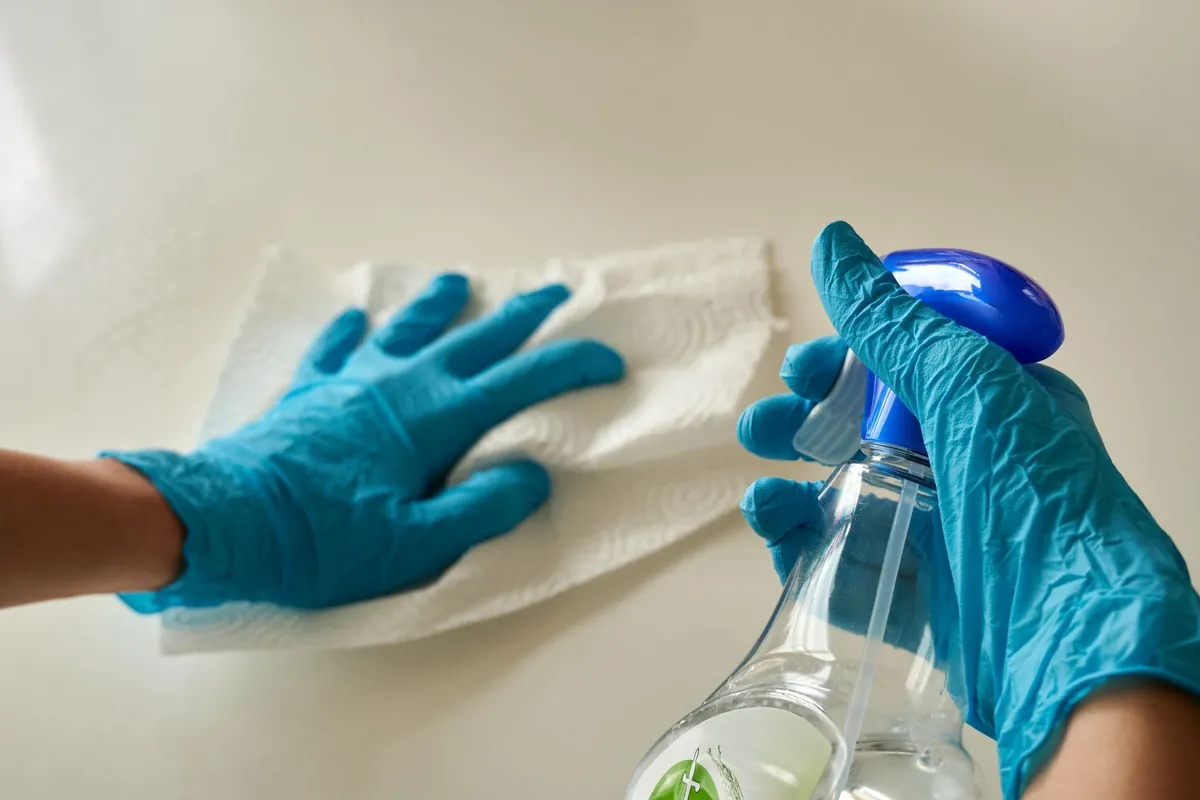
Infectious disease cleanup uses an organized cleaning and disinfection plan wherever disease-causing bacteria, viruses or other germs may be present. Attention is given to the affected zone, nearby surfaces and objects touched often.
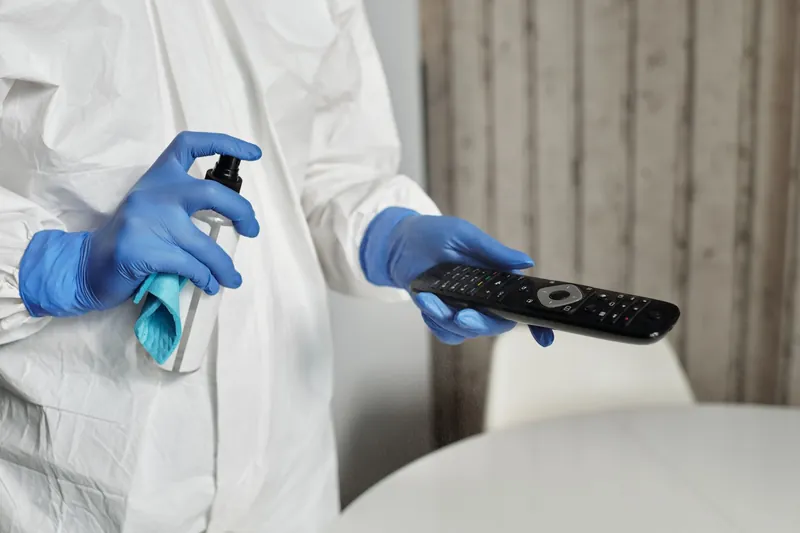
Before cleaning starts, the space is reviewed for its use, possible contamination and surfaces that may react to a product. Workers first take away visible soil. Next, they use an EPA-registered disinfectant as its label directs. This includes leaving the surface wet for the stated contact time, which lets the product perform as intended.
This service can fit a home, office, school, restaurant, rental property, healthcare setting or shared vehicle. It is different from routine cleaning services because the scope is tied to a suspected or confirmed infectious disease concern. It is also different from biohazard remediation involving blood, bodily fluids or hazardous materials, which may require removal, waste disposal and added protective equipment.
For privacy, crews can arrive in unmarked vehicles, remain inside affected areas and avoid drawing notice while you move forward.
You should get a clear explanation of product choice, mixing, compatible materials and contact time, without claims that brief spraying will work.
You should know which rooms, objects and surfaces are included, which areas are outside the scope and what happens at each step.
Sensitive items can be identified before work begins, and you can discuss what may be cleaned, moved or left untouched.
A contamination incident, confirmed illness or suspected exposure may call for more than standard janitorial work. Infectious disease cleaning can be appropriate in situations such as these:
A clear work scope covers rentals, schools, offices and other locations with rooms and fixtures used by several people.
Treatment follows label directions one surface at a time and focuses closely on areas people touch often.
Targeted cleaning and disinfection after a reported illness or exposure in a home, workplace or shared facility.
Focused work in bedrooms, bathrooms, kitchens and shared living areas when your household needs added help.
Your immediate priorities are stopping anyone from touching the affected space and telling technicians what occurred. Before they begin work:
Call (888) 440-9227Published guides list virus decontamination at $1,500 to $3,500 per job and infectious disease decontamination at $2,000 to $8,000 per job. One guide shows large infectious disease disinfection jobs reaching $10,000 at the top of its span. These are published ranges, not a quote. Your price depends on the space, the germ, the number of surfaces, air system work and whether testing is needed.
These ranges come from published national cost guides, not from a site visit. After an on-site assessment, the price for your property is determined and shared with you before cleanup begins.
Ask about cost: (888) 440-9227Whether insurance pays depends on the terms of the policy, the property affected and the source of contamination. A routine disinfection visit or cleaning for prevention may not qualify. If circumstances permit, confirm coverage for the particular event with your insurance company before work starts.
A business policy may treat cleanup costs differently from a home policy. The decision depends on the loss cause and the language in your policy.
Your lease and the specific area involved may decide who bears responsibility. Examine the relevant documents before you determine who can approve the work.
Ask whether contamination cleanup is covered, what deductible applies and whether the insurer needs photos, a scope or other records.
Insurance assistance can include organizing the service scope, affected-area photos when appropriate, invoices and a list of surfaces treated for your claim file.
The remediation process is built around the suspected germ, the affected areas and the disinfectant label. Every step has a purpose, from controlling entry to checking that the full scope is complete.
Cleanup involves noting fragile materials, high-contact areas, rooms and any bodily fluids or waste capable of changing the planned work.
Entry is limited, a clean-to-dirty work path is set and nearby spaces are protected from tools and foot traffic.
Gloves and other protective equipment are selected for the product, task and exposure described in the scope.
Dust, dirt and visible residue are removed with methods suited to each surface before disinfection begins.
For the complete contact time, surfaces that tolerate the product are kept wet with an EPA-registered disinfectant prepared as labeled.
Focused application reaches switches, door fittings, bathroom fixtures, counters and commonly used equipment, not merely a general spray.
Crews separate hazardous waste for proper disposal, contain disposable items and clean any tools intended for reuse.
The entire process finishes with areas compared against the scope and a clear account for you of every treated room and surface.
Phone any hour. An infectious disease disinfection specialist answers, explains the steps and agrees a start time with you.
The main risks involve contact with contamination, incorrect product use and overlooked touchpoints. Rather than depending on a quick spray, a careful cleanup plan manages all three.
Chemical mixing, too much product and disregarded airflow directions may introduce further hazards. The label determines how to dilute and use the product safely.
Tools, cloths, footwear and gloves can carry contaminants to a different surface. That risk decreases with a clearly marked workspace and controlled movement through it.
Contaminated materials may protect germs from disinfectant, while unnecessary contact can pose serious health risks. Before using the right product for the required contact time, cleaning needs to clear all visible residue.
Can you clean it yourself? Routine cleaning may be enough when there is no known exposure and no bodily fluid or hazardous waste. If an illness has affected several rooms, a vulnerable person uses the space, or you cannot identify the boundaries of the affected area, professional cleanup can give you a documented and consistent process.
Most infectious disease disinfection is surface treatment, not demolition. Materials are kept when they can be cleaned safely, while items with bodily fluids or contamination that cannot be removed may need a separate disposal plan.
How long cleanup takes depends on area size, surface count, disinfectant contact time and whether sections can be treated separately. The site must first be assessed to establish a schedule you can rely on.
| Scene | Typical time on site |
|---|---|
| Focused area in a home | Often requires only one period of work |
| Multiple rooms or a shared worksite | Can call for more time or work arranged by section |
| Large properties with many surface types | Can require more than one arranged work period |
An infectious disease disinfection job does not always include odor removal. A smell that remains may originate with bodily fluids, an animal, moisture, spoiled food, sewage or some other condition needing its own cleanup. Hiding the odor will not take away its source, and adding fragrance is no alternative to proper disinfection and cleaning.
The event determines whether air quality work is needed. Ventilation, wiping surfaces and treating an air system each involve separate work. Any treatment of air or HVAC components should follow occupied-space instructions and suit the building. Fogging or spraying cannot substitute for cleaning frequently touched surfaces, covering them fully with product and observing the contact time on its label.
The full infectious disease disinfection guide covers what is cleaned or removed, odor and air quality work, and the rules that apply in King County.
Read the full infectious disease disinfection guideLocal housing, population and access details can shape containment, access and cleanup planning.
For an injury during discovery, Harborview Medical Center is the nearest listed hospital at approximately 1.9 miles away.
Properties near Mount Baker, South Seattle, and Rainier Vista can share street names, so confirm the house number, unit and ZIP code.
Neighborhood level directions help narrow the location, but crews still need entrance details before bringing containment and cleaning equipment inside.
Ask on the call about cleanup options for neighboring communities and ZIP codes.
Virus disinfection for homes, offices and shared spaces after an outbreak.
See COVID-19 and virus disinfection
MRSA, norovirus and C. diff cleanup covers care settings, fitness facilities and homes.
See MRSA, C. diff and norovirus cleanup
Complete decontamination treats the room, its surfaces and the air after a hazardous or infectious exposure.
See biohazard decontamination
A contaminated space is restored to safe use through biological remediation and contaminant removal.
See biohazard remediation
Planning for industrial and commercial biohazard cleanup considers operations and access to the site.
See commercial and industrial biohazard cleanup
Biohazard cleanup for clinics, care homes and healthcare facilities.
See hospital and healthcare biohazard cleanup
Office and workplace biohazard cleanup after injuries or exposures.
See office and workplace biohazard cleanup
When classes are not in session, biohazard cleanup addresses schools and childcare settings.
See school and daycare biohazard cleanupFirst remove soil and material you can see, then use an EPA-registered product on suitable surfaces that receive frequent contact. The label states how to apply the product, ventilate the area, choose protective gear and keep surfaces wet. Clean reusable equipment according to directions, secure disposable waste and keep worn gloves or cloths from entering surrounding areas.
The cause of the cleanup and your insurance terms affect whether it is covered. Cleanup resulting from a covered property loss can receive different treatment than disinfection done as a preventive measure. Before work begins, speak with your insurance company, explain only what you know and check whether approval is required along with the deductible, exclusions and documentation needs.
The plan should define common touchpoints along with the restaurant's employee, restroom and customer areas. Products and post-treatment actions must be appropriate for any surface that contacts food. Soil is cleaned away before disinfecting, and every product stays on the surface for the complete contact period on its label. You must still follow up-to-date public health and food-safety guidance.
First determine whether the wood is sealed, unfinished or covered by another finish. Choose only a suitable cleaner and an EPA-registered disinfectant that the surface tolerates, using both according to label directions. Check a limited area out of view if appropriate. Unfinished or damaged wood is porous and may need a different method than sealed furniture.
Start by keeping people away from the affected area and cleaning visible soil from compatible surfaces. Use an EPA-registered disinfectant according to every label direction for mixing and the required contact period. Never combine products, and concentrate cleaning on objects people touch often. Current directions about testing, isolation and medical matters should come from your public health authority or healthcare professional.
A registered disinfectant may contain alcohol, yet its ingredient list alone cannot confirm that the product fits a particular surface or germ. The product label must cover how you plan to use it, and you need to follow the stated instructions and contact time. Avoid using homemade blends, beverage alcohol or the contents of any unmarked container as a disinfectant.
Respectful, discreet infectious disease disinfection is available 24 hours a day, and crews arrive in unmarked vehicles.